The Simple Devices That Stop Small Leaks From Turning Into Big Disasters
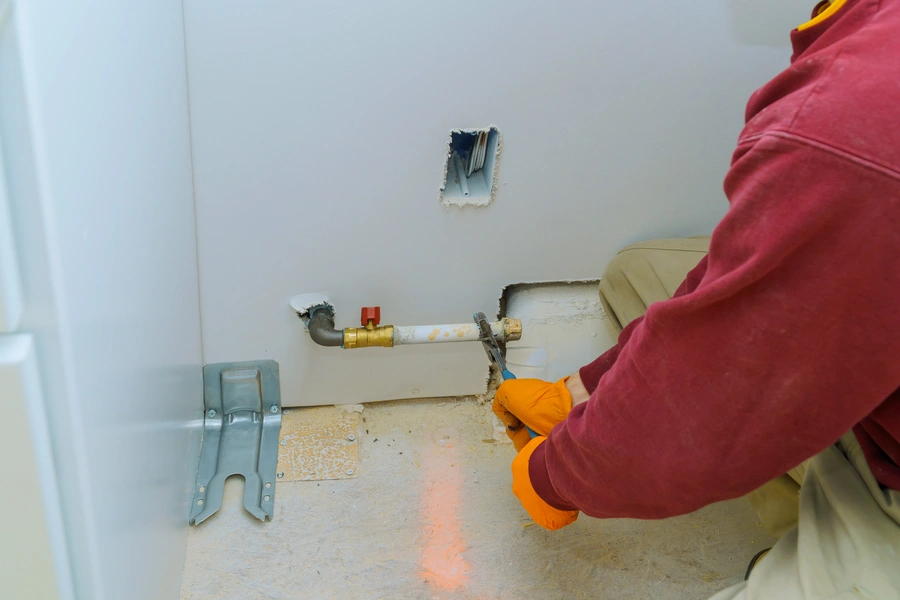
Shutoff valves protect your home by stopping the flow of water the moment a pipe, fixture, or appliance starts leaking. That quick action can prevent flooded floors, ruined drywall, mold growth, and expensive repairs. In residential plumbing systems, these small valves act like emergency switches. When you turn one off, you control where water flows inside your home and limit damage fast.
Why Prevention Matters
Water is one of the most damaging forces inside a house. A cracked supply line under a sink can spill gallons of water in minutes. A failed washing machine hose can flood a laundry room in seconds. Without a working shutoff valve, you might have to search for the main water shutoff while water keeps spreading.
Prevention means having the right valves in place and making sure they work. When valves are easy to reach and turn smoothly, you can stop a problem before it spreads. That can save flooring, cabinets, baseboards, and even electrical systems.
Early Warning Signs Your Valves May Not Work
Shutoff valves do not last forever. Like any part of a residential plumbing system, they can wear out over time. Catching problems early helps you avoid trouble later.
- Valve is hard to turn or stuck in place
- Small drip around the valve handle
- Rust or corrosion on the valve body
- Water keeps flowing after you turn it off
- No individual shutoff under sinks or behind toilets
If you notice any of these issues, your valve may not protect you during an emergency. Testing them once or twice a year is a smart habit.
Seasonal and Routine Checklist
A simple routine can help keep shutoff valves ready when you need them. You do not need special tools for most checks.
- Locate the main water shutoff valve for your home.
- Find individual shutoffs under sinks and behind toilets.
- Turn each valve off and back on slowly.
- Check for leaks around the handle and connections.
- Label the main shutoff so everyone in the home can find it.
It is also wise to inspect shutoff valves before winter. Frozen pipes can burst, and a working valve helps you limit damage fast. If you are installing a new appliance, like a dishwasher or washing machine, confirm there is a dedicated shutoff nearby.
Best Practices for Long-Term Protection
Good valve placement and maintenance go a long way. Every sink, toilet, and appliance that uses water should have its own shutoff valve. This allows you to fix or replace a fixture without shutting off water to the entire house.
Ball valves are often more reliable than older gate valves. They turn a quarter turn to stop water and are less likely to get stuck. Replacing outdated valves during a plumbing upgrade can improve safety.
Keep the area around valves clear. Do not block them with storage boxes or heavy items. In an emergency, you need fast access. Teach family members where the main water shutoff is located and how to use it.
What Not to Do
Some homeowners ignore shutoff valves until there is a leak. That can backfire. Forcing a stuck valve can break it and make the leak worse. Using too much pressure on an old handle may snap it off completely.
Avoid using oil or random sprays unless they are approved for plumbing parts. Temporary patches on leaking valves are not lasting fixes. Also, do not assume a small drip is harmless. Even a slow leak can damage cabinets and subfloors over time.
When to Schedule Professional Help
If a valve will not close fully, leaks at the stem, or looks badly corroded, it may need replacement. Installing new shutoff valves often requires turning off the main water supply and safely removing old fittings. That is usually a job for trained technicians.
During remodeling projects or upgrades to your residential plumbing, it is smart to review all shutoff locations. Adding modern valves can improve safety and make future repairs easier. If your home is older and still has original valves, an inspection can help you decide if upgrades make sense.
Protect Your Home With Working Shutoff Valves
Shutoff valves are small, but they play a big role in protecting your property. Keeping them in good shape reduces the risk of major water damage. If you are in Whippany, NJ and want your system checked, we can help. At Rimarca Home Repair, we inspect, repair, and replace shutoff valves as part of our residential plumbing services. Call us at (862) 265-0350 to schedule a visit and let us help protect your home from avoidable water damage.